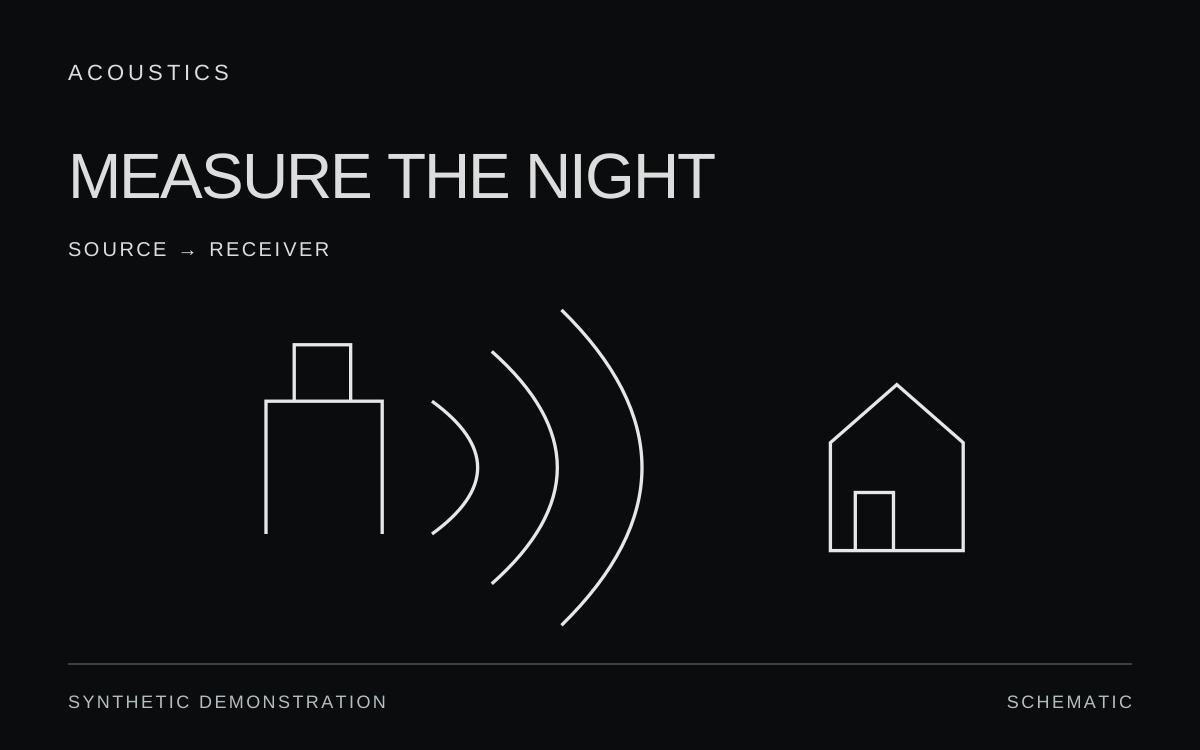
Infrastructure · synthetic acoustic case
Noise · target the measurement that matters
6.84dB(A) · calculated adverse-end excess · synthetic scenario
Turn acoustic uncertainty into a measurement plan.
A change to cooling equipment raises a practical question: which operating variant should be studied, and what should be measured first? We calculated a receiver interval and emergence, then examined the inputs that change the conclusion.
The scenario identifies the night-time ambient class as the deciding input. At the adverse end of the interval, emergence exceeds the stricter night-time limit by 6.84 dB(A).
The engineering decision
Measure the night-time conditions, then compare mitigation.
Use the result to scope the acoustic survey and shortlist changes to equipment location, screening or operating regime. The measured ambient class determines which conditional comparison to pursue.
Method & context
This completed demonstration uses synthetic inputs, rather than measurements from a client site. The receiver interval crosses an ambient-class boundary, so the site conclusion depends on resolving that class through measurement.
The analysis treats one mitigation lever at a time. Combined changes, marked tonality and the applicable measurement indicator need their own acoustic assessment.
Continue exploring
All case studies How Archeion works ↗